Introduction
As we step into a world increasingly marked by climate change, understanding the environmental impact of our daily choices has never been more crucial. One such choice that many of us make is the use of air conditioning systems, especially in regions like Tucson where summer temperatures can soar. While these systems provide comfort, they also contribute to environmental degradation in various ways. In this comprehensive article, we will explore “The Environmental Impact of Your Air Conditioning System Explained,” delving into its effects on energy consumption, greenhouse gas emissions, and much more.
The Environmental Impact of Your Air Conditioning System Explained
Air conditioning units play a significant role in modern life, offering relief from heat and humidity. However, their operation comes with a hidden cost to the environment. From energy consumption to refrigerant emissions, air conditioning can significantly influence ecological health.
Energy Consumption: The Hidden Cost
One of the most significant aspects of air conditioning's environmental impact is its high energy consumption. According to the U.S. Department of Energy:
- Residential air conditioning accounts for about 6% of all electricity produced in the United States. In hotter climates like Tucson, this number can rise dramatically.
How Energy Consumption Affects the Environment
Using electricity often involves burning fossil fuels, which release carbon dioxide (CO2) and other greenhouse gases into the atmosphere. These emissions contribute to global warming and climate change.
Greenhouse Gas Emissions: A Closer Look
Air conditioners not only consume vast amounts of electricity but also release harmful substances during their operation.
What are Greenhouse Gases?
Greenhouse gases trap heat in the atmosphere, leading to rising temperatures globally. Major contributors include:
- Carbon Dioxide (CO2) Methane (CH4) Nitrous Oxide (N2O)
The Role of Refrigerants
Modern air conditioning systems use refrigerants that can be potent greenhouse gases themselves if leaked into the atmosphere.
Types of Refrigerants Used in Air Conditioning Systems
Different types of refrigerants have varying impacts on global warming potential (GWP). Here’s a quick comparison:
| Refrigerant Type | Global Warming Potential | Ozone Depletion Potential | |------------------|-------------------------|---------------------------| | R-22 | 1,810 | 0 | | R-410A | 2,088 | 0 | | R-32 | 677 | 0 |
Why Does This Matter?
The higher the GWP value, the greater its potential contribution to global warming if released into the atmosphere.
Lifecycle Assessment: Evaluating Air Conditioning Systems
To truly understand “The Environmental Impact of Your Air Conditioning System Explained,” one must consider Best ac repair in Tucson its lifecycle—from manufacturing to disposal.
Manufacturing Impact
The production process for air conditioning units often involves using materials that require significant energy and resources to extract and process.
Operational Impact
Once installed, ongoing energy consumption contributes considerably to an AC unit’s overall environmental footprint.
Disposal Concerns
At the end of its lifecycle, improper disposal can lead to refrigerant leaks or contribute to landfill waste.
Eco-Friendly Alternatives: How Can You Reduce Your Footprint?
If you're feeling environmentally conscious about your air conditioner use in Tucson, there are alternatives available.
High-Efficiency Units
Opting for high-efficiency models can significantly reduce energy consumption and associated emissions. Look for units with high SEER ratings (Seasonal Energy Efficiency Ratio).
Smart Thermostats
Installing smart thermostats allows you better control over your cooling needs—reducing unnecessary energy usage when you’re not home.
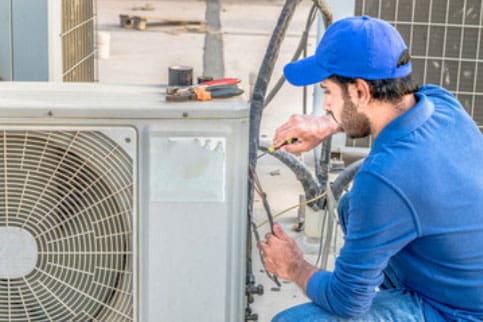
Regular Maintenance: Why It Matters?
Keeping your AC unit well-maintained is essential for optimal performance and efficiency.
Benefits of Regular AC Maintenance
- Improved Energy Efficiency Longer Lifespan Reduced Risk of Breakdowns
In Tucson specifically, companies like Tailored Mechanical offer specialized services like "AC repair in Tucson" that ensure your unit runs efficiently while minimizing its environmental impact.
Innovative Technologies: What’s on the Horizon?
Emerging technologies aim at making air conditioning more sustainable.
Solar-Powered AC Units
Solar-powered solutions harness renewable energy sources directly from sunlight—reducing reliance on fossil fuels entirely!
Variable Speed Compressors
These compressors adjust their speed based on cooling demands—leading to significant energy savings compared to traditional fixed-speed models.
Behavioral Changes: Small Steps with Big Impacts
Simple changes in behavior can also help mitigate your AC system's environmental effects.
Utilize Fans Wisely
Ceiling fans or portable fans can help circulate cool air more efficiently without relying solely on your AC unit.
Timing is Everything!
Using your AC wisely—like setting it higher during peak daytime hours—can save both money and reduce strain on power grids.
Regional Challenges: The Tucson Perspective
Tucson residents face unique challenges when it comes to air conditioning due to extreme heat conditions prevalent during summer months.
Energy Sources in Arizona
Arizona relies heavily on natural gas and coal for power generation—both contributing significantly to carbon emissions as opposed to solar or wind options available elsewhere in America.
Policy Initiatives: What’s Being Done?
Understanding “The Environmental Impact of Your Air Conditioning System Explained” also requires awareness about regulations aimed at reducing this impact through policy initiatives at state and federal levels.
Energy Efficiency Standards
Government programs encourage consumers to invest in energy-efficient appliances through incentives and rebates.
FAQs About The Environmental Impact Of Your Air Conditioning System
1. How does my air conditioner contribute to climate change?
Air conditioners consume electricity primarily generated from fossil fuels which emit greenhouse gases when burned, contributing significantly towards climate change issues globally!
2. What are some eco-friendly alternatives for cooling my home?
Consider options like high-efficiency units designed specifically for lower energy consumption or even solar-powered AC systems that reduce reliance on non-renewable resources altogether!
3. How often should I maintain my AC unit?
Regular maintenance is recommended at least once annually; however monthly checks during peak seasons allow you catch any inefficiencies early before they worsen!
4. Can using fans instead help offset my reliance on my AC system?
Absolutely! Utilizing ceiling & portable fans while adjusting settings accordingly allows you circulate cool airflow without solely depending upon an HVAC system’s output alone!
5. Are there tax incentives available for choosing eco-friendly appliances?
Yes! Many states provide rebate programs & financial benefits aimed toward encouraging consumers purchase greener options reducing long-term costs overall!
6. What steps can I take today towards reducing my household's carbon footprint related specifically TO cooling needs?
Start small by adjusting thermostat settings slightly upwards when possible & ensuring everything around windows/doors sealed tightly preventing escaping cold air wasting precious resources unnecessarily!
Conclusion
In summary, understanding “The Environmental Impact of Your Air Conditioning System Explained” goes beyond just recognizing our comfort needs; it encompasses evaluating how those systems shape our environment over time—from manufacturing processes influencing resource depletion down through operational habits affecting global sustainability efforts collectively! By prioritizing responsible usage patterns alongside seeking out innovative solutions available today—like those offered by Tailored Mechanical underlining professional “AC repair in Tucson”—we empower ourselves towards making conscious decisions fostering healthier ecosystems for generations ahead!